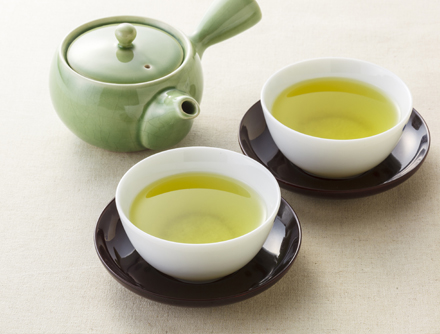
Green Tea
(Camellia sinensis (L.) Kuntze non-fermentatum)
Background:
Green tea is commonly consumed in Asia but was introduced into Europe in the 17th century. Traditionally, green tea has been used for the relief of fatigue and weakness, as a diuretic and for stomach disorders.1
References
1 http://www.ema.europa.eu/docs/en_GB/document_library/Herbal_-_HMPC_assessment_report/2014/04/WC500165886.pdf
2 Tang et al. Br J Nutr 2015, July 23: 1-11http://www.ncbi.nlm.nih.gov/pubmed/26202661
Latest news
-

Experts Recommend Ideal Temperature for Your Cuppa to…
A new study published in the International Journal of Cancer[1] has reported that drinking beverages at… Read More -
Afternoon Tea Week: Why Your Daily Cuppa Is…
Afternoon Tea Week (10–16 August) is the perfect excuse to pause, put the kettle on and… Read More -
Three out of four Brits worry about their…
Brits are increasingly looking for small, everyday habits to support their wellbeing. And now, on the… Read More